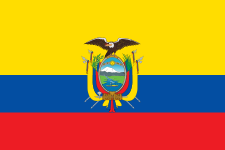
Ecuador has experienced an uneven path during the qualifying rounds for the 2026 World Cup, raising the need to reevaluate its tactical approach. In this regard, it is key to analyze how La Tri can improve its performance and adapt to the playing styles of its opponents. The combination of individual talent and a cohesive tactical system will be fundamental for achieving success in the tournament.
Current Formation and Challenges La Tri has primarily use a 4-3-3 formation, allowing for an offensive style while maintaining a solid defensive structure. However, in recent matches, there has been a noticeable lack of cohesion in the transition from midfield to attack, leading to predictable and limited play. Key players like Enner Valencia and Moisés Caicedo have had to shoulder too much offensive burden, weakening the team's creativity.
Proposed Tactical Adjustments To address these weaknesses, one option would be to consider a shift to a 4-2-3-1 formation, which would allow for greater flexibility in midfield. This system not only provides more protection to the defense but also facilitates the connection between midfielders and forwards. With two pivots in midfield, such as Carlos Gruezo and Jhegson Méndez, Ecuador could recover the ball more quickly and launch more effective attacks.
Another key modification would be to encourage a more dynamic style of play through the wings. With the speed of players like Gonzalo Plata and Ayrton Preciado, Ecuador could exploit spaces in the opposing defense. Instructing full-backs to participate more in the attack could also open up opportunities, allowing wingers to move towards the center and generate more goal-scoring chances.
Improving Communication and Cohesion In addition to tactical adjustments, it is vital for La Tri to work on communication on the field. The lack of understanding among players has been evident at times, resulting in defensive errors and loss of possession. Implementing training sessions focused on team cohesion and rehearsed plays could significantly enhance their collective performance.
Conclusion Ecuador has the necessary talent to compete in the 2026 World Cup, but it must make tactical adjustments to maximize its potential. With a review of its formation and a focus on communication and cohesion, La Tri could become a formidable contender on the world stage.