 Ecuador Hub
The Mystique of La Tri: Fan Rituals and Traditions
Ecuadorian fans, affectionately known as La Tri's supporters, create a spectacle that goes far beyond merely attending a football match. From the arrival at the stadium to the final whistle, fans craft a vibrant atmosphere that reflects their passion and love for the national team. Among the rituals established over the years, some are particularly emblematic, each telling a unique story of unity and fervor.
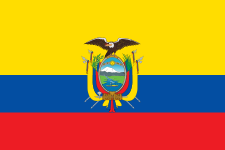
One of the most anticipated moments for La Tri's supporters is their arrival at the stadium. Background music begins to play, and fans, dressed in the yellow, blue, and red colors, gather outside, ready to enter. Many carry flags, posters, and even paint their faces, creating a sea of color that builds anticipation for the spectacle. This initial phase of the ritual is crucial, as it is where the collective energy is felt.
Upon entering the stadium, fans engage in a series of chants passed down through generations. Catchy phrases and contagious melodies fill the air, uniting attendees in a single chorus. This singing not only serves to cheer on the players but also acts as a mechanism for social cohesion, where each supporter feels part of something greater. The chants are often accompanied by synchronized movements, creating a choreography that unfolds in the stands, elevating the atmosphere to almost mystical levels.
During derbies, the rivalry intensifies, and the rituals become even more elaborate. La Tri vs. Peru and La Tri vs. Colombia are among the most anticipated matchups, where passion is palpable in every corner of the stadium. Rival fans not only challenge each other with chants but also exchange messages through clever and provocative banners. Such exchanges, though often intense, are part of the folklore that makes Ecuadorian football such a rich and colorful experience.
Another fascinating aspect of fan culture is the ritual of the “third half.” After the match, supporters gather in nearby bars and squares to celebrate or lament the outcome, sharing anecdotes and experiences. This tradition not only fosters camaraderie but also fuels the passion for the team, as they analyze the performance together and make plans for the next match.
Finally, one cannot discuss La Tri without mentioning the importance of symbols. Fans often carry charms or insignias that represent the history and identity of the team. From jerseys bearing their favorite players' names to objects passed down through generations, each symbol is a reminder of the legacy that the selection carries.
In conclusion, the rituals and traditions of La Tri's fans are an essential component of the football experience in Ecuador. They not only beautify the sporting spectacle but also strengthen the bonds among supporters, creating a community united by their love for their national team. With the 2026 World Cup on the horizon, the mystique of La Tri will continue to grow, fueling the passion of fans preparing to live unforgettable moments in the stadium.