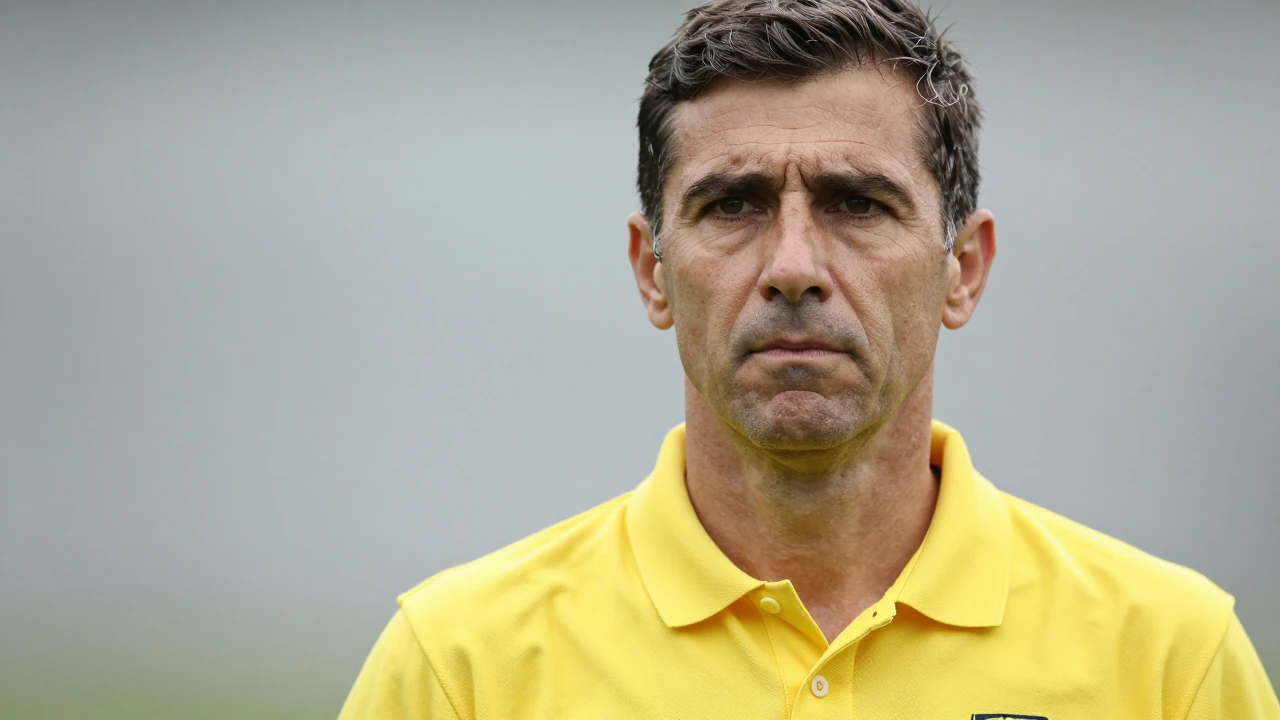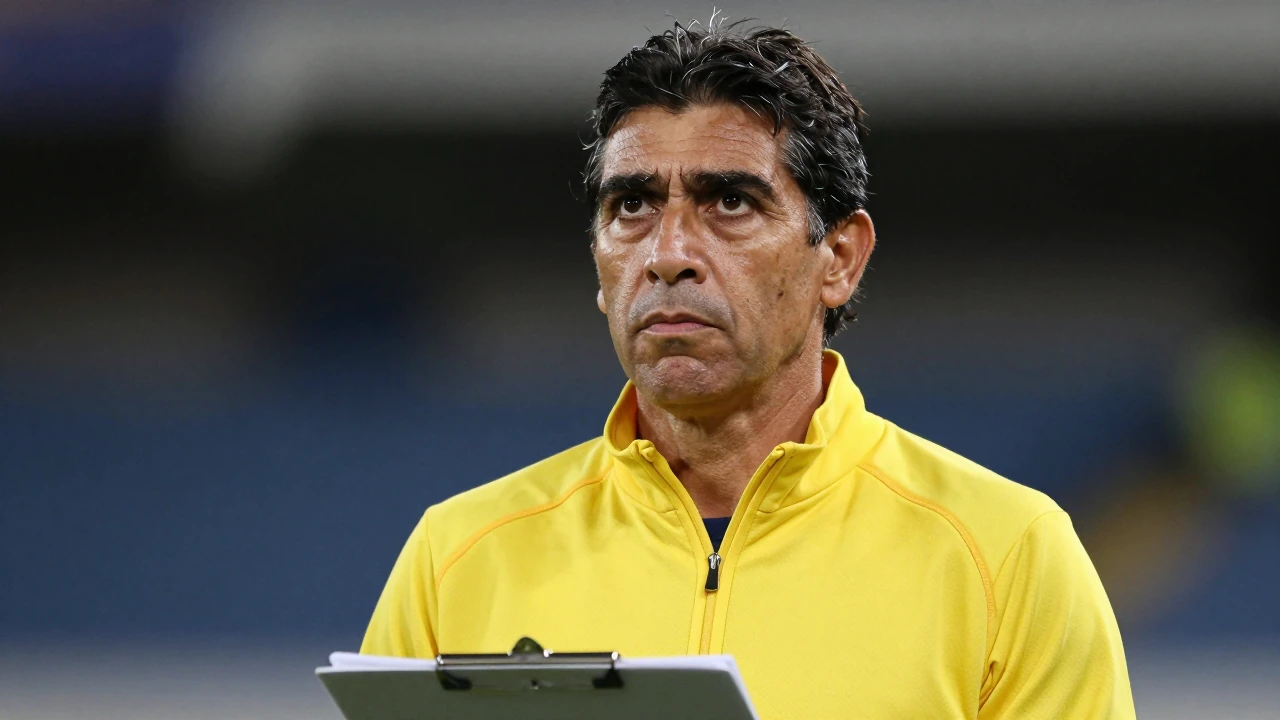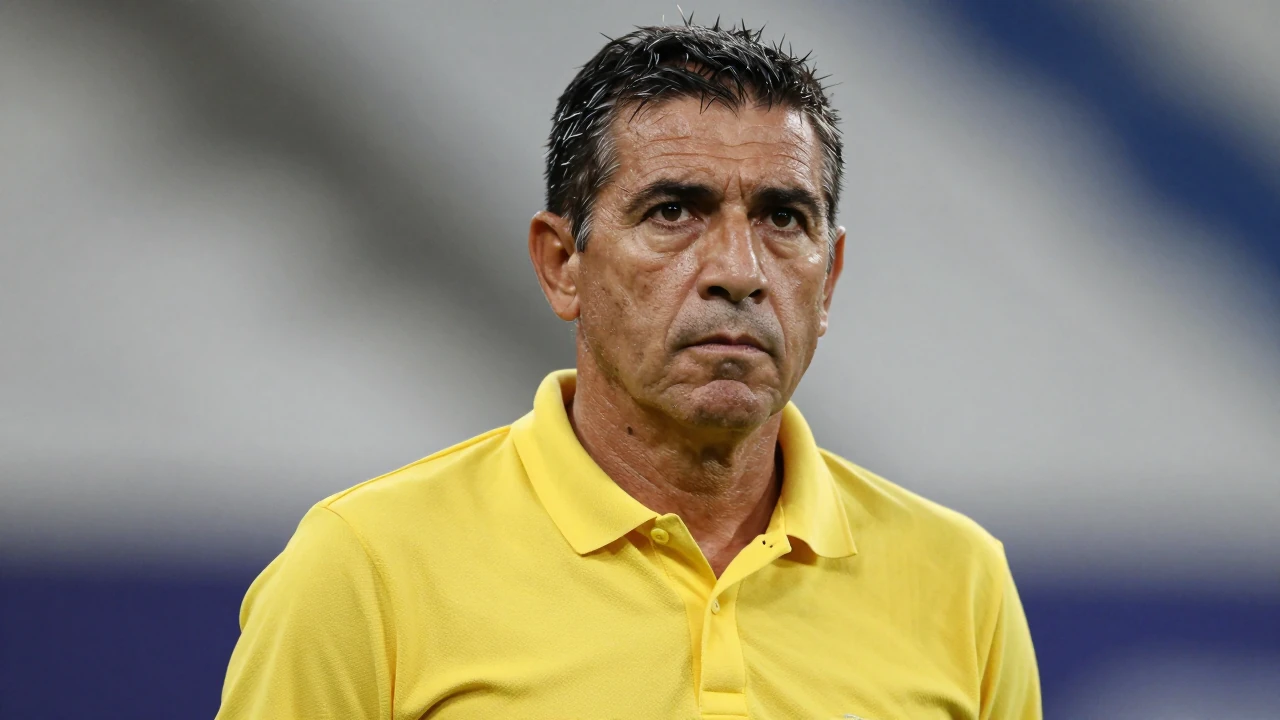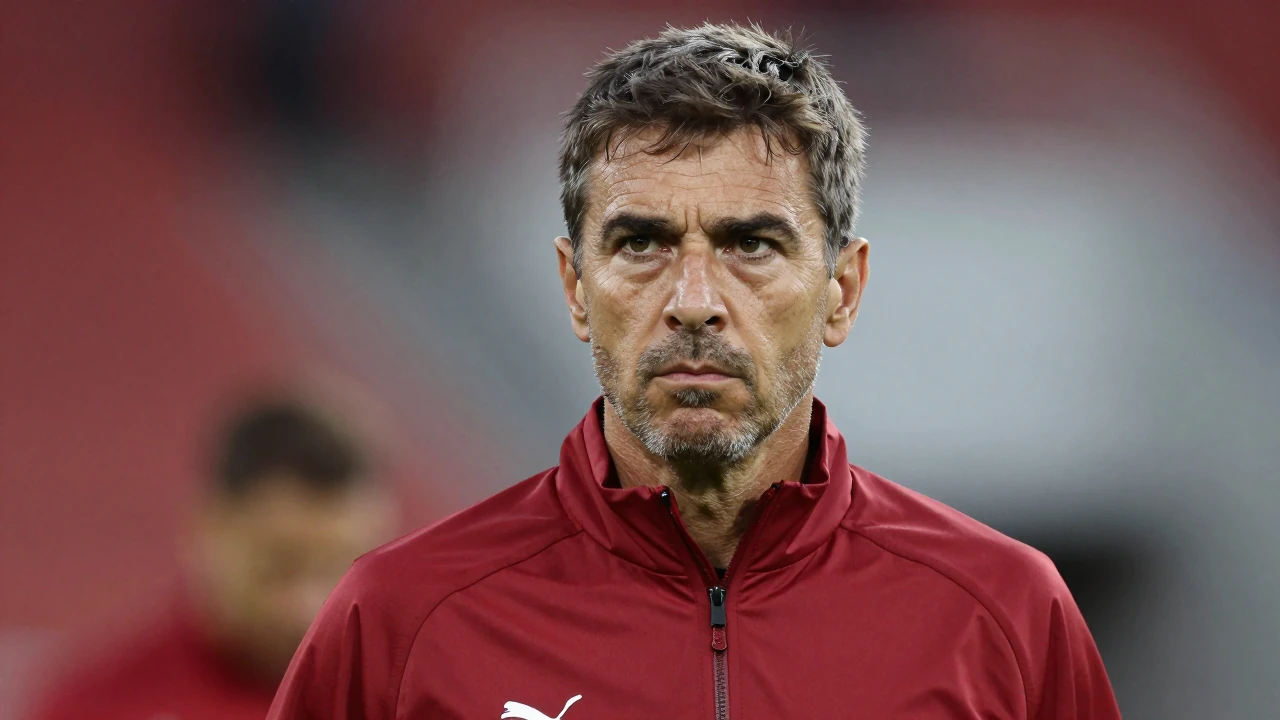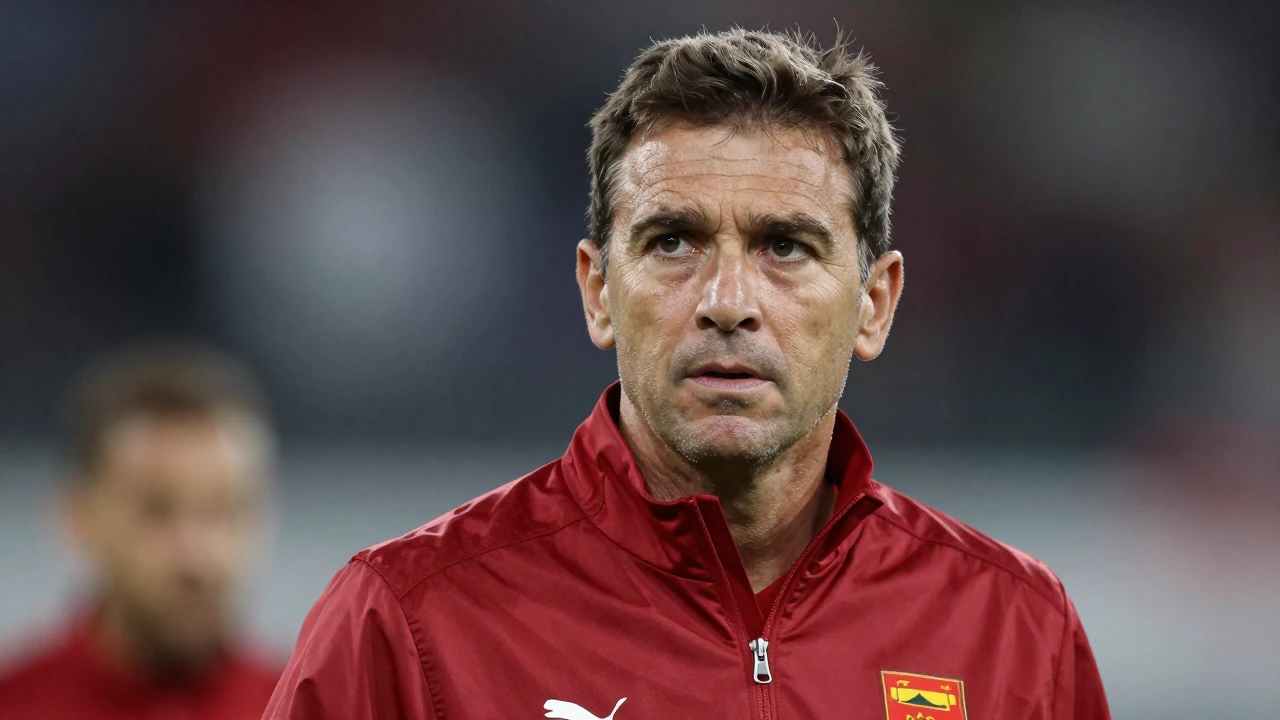
Marcelo Gallardo is the new head coach of the Ecuador national football team. The Argentine manager, known as 'El Muñeco', has signed a contract that will keep him in charge of La Tri through the 2030 FIFA World Cup, as reported by SportsCape Magazine on September 6.
Gallardo's arrival starts a new chapter for Ecuador, who currently sit third in their World Cup qualifying group with 4 points from one win, one draw, and one loss. The team seeks stability following their last result, a 2-0 defeat to Mexico on July 1, which is part of a recent run of one win, three draws, and one loss in their last five matches.
What experience does Marcelo Gallardo bring?
Marcelo Gallardo comes to Ecuador after a successful and lengthy spell in charge of Argentina's River Plate. His appointment marks a significant turning point in his own coaching career. Gallardo must now adapt his football philosophy to a different squad, with the clear objective of building a team competitive at all international tournaments.
The manager will work with a generation of Ecuadorian players who have shown the ability to compete at the top level. His plan includes combining experienced internationals with the emerging talent in the country. The ultimate goal is to make Ecuador a reliable and consistent force on the global scene.
What are the immediate objectives for La Tri?
Gallardo's initial focus will be preparing the team for upcoming tournaments on the calendar. Ecuador needs to improve its performance, especially in attack, after scoring only 2 goals and conceding 2 in the first three qualifying matches. Their goal difference currently stands at zero.
The new cycle begins with the intention of the national team having a greater influence at the 2030 World Cup. To follow the team's progress, fans can check the updated fixtures schedule and league standings. The foundation of the work will be the squad list the manager defines for each match.
How does this change impact the long-term project?
Gallardo's contract, which expires in 2030, is a statement of intent from the federation. It seeks to provide continuity to a project that aims to build on Ecuador's recent football successes. Stability in the dugout is seen as a key element to achieve the desired consistency.
The manager's mission is to develop a team that can compete on equal terms in any tournament. His arrival ends a search and opens a period of work that will extend over the next four years, with sights set on the 2030 World Cup. The first challenge will be to reverse the team's recent form, reflected in the LWDL sequence of results.