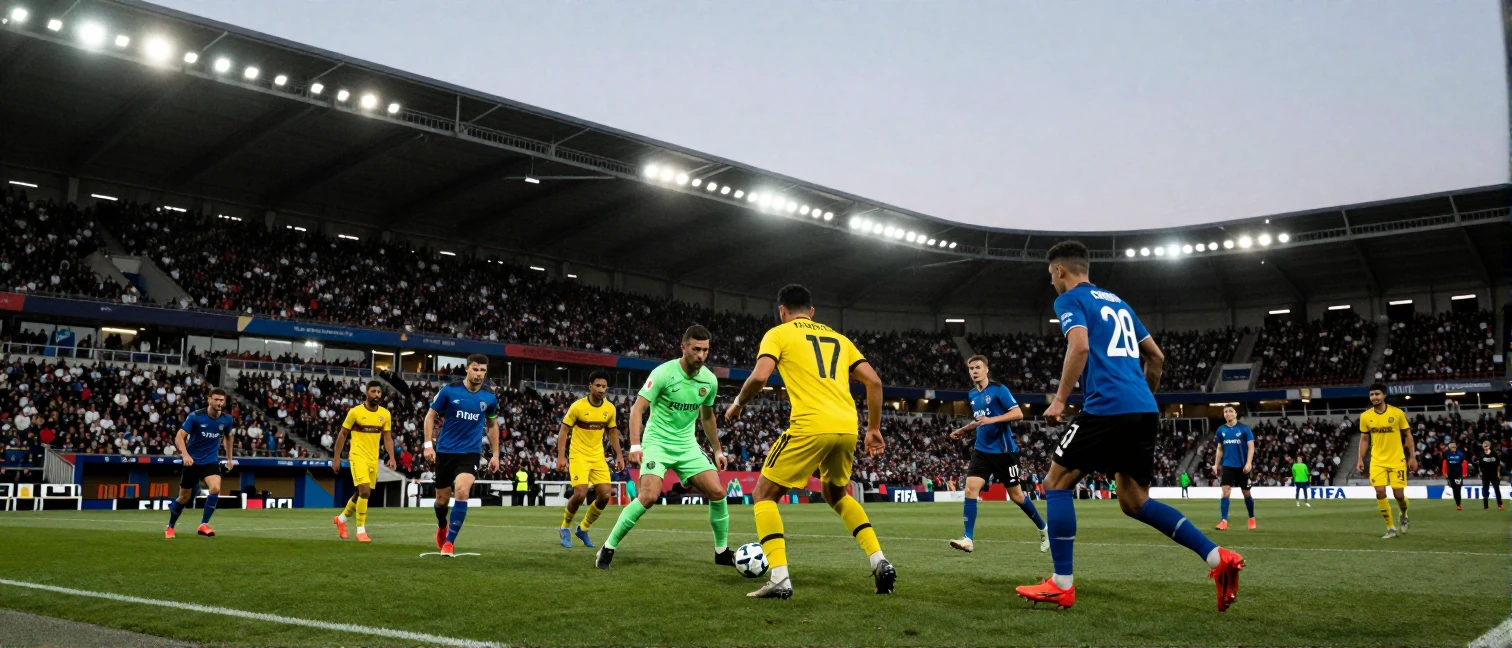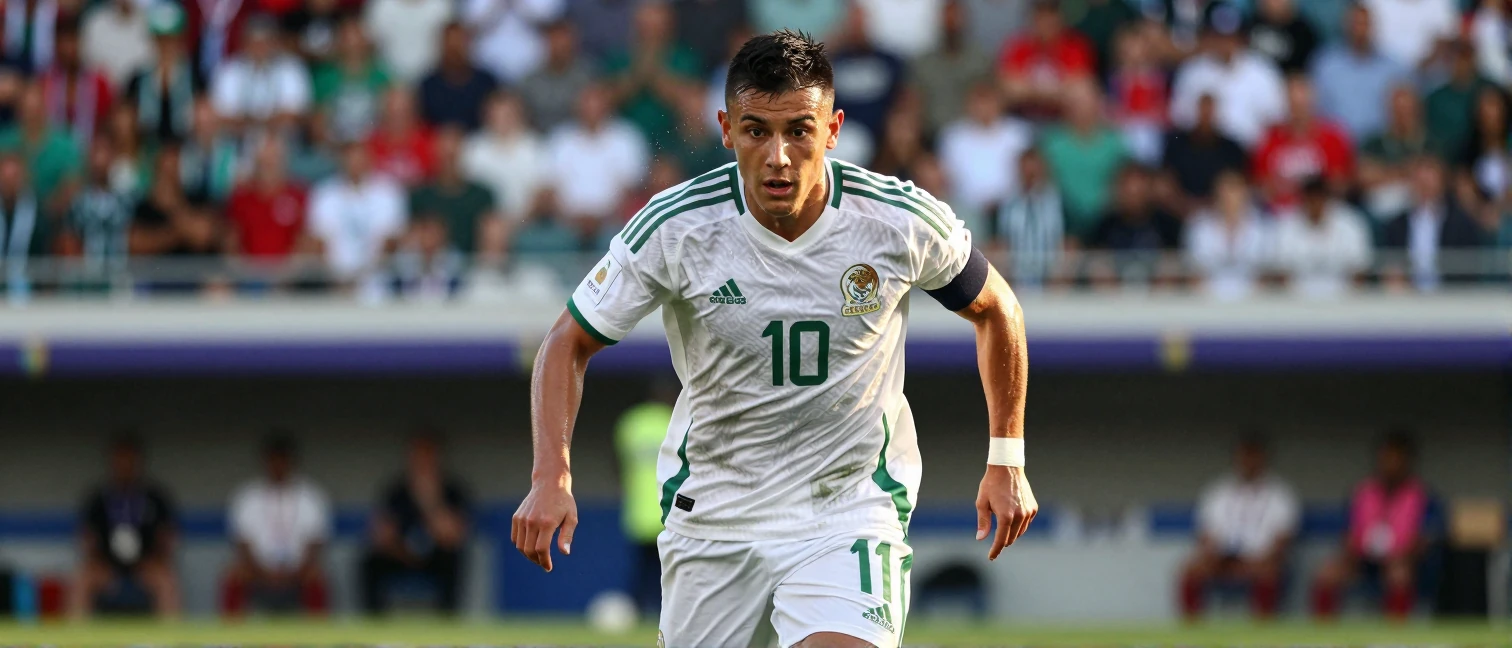
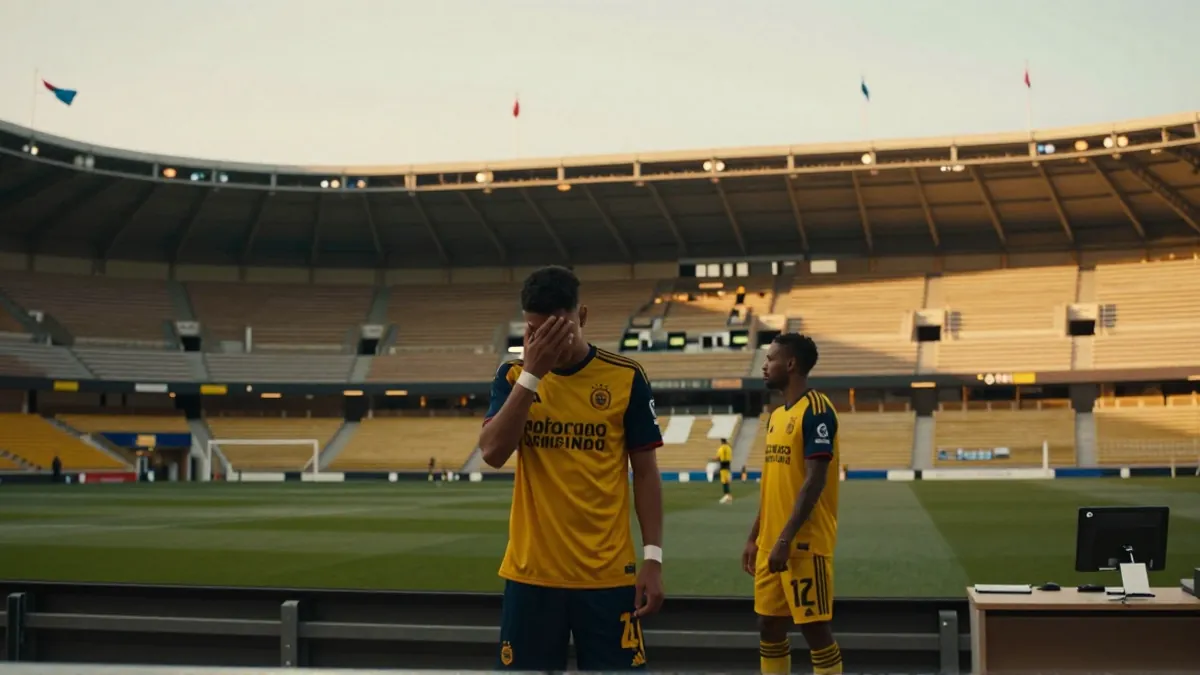
La Tri saw its World Cup dream shattered at the 2026 tournament when, according to analyst Ricardo García, fatigue, extensive travel and altitude worked against the side. García, a key figure in Sebastián Beccabece's staff, explained that lack of rest and hotel noise undermined performance against Mexico.
García described a chain of issues: "We were affected by fatigue, travel, altitude and hotel noise." The trek from Quito to the match venue involved several time‑zone changes and a limited training day. Also, the host city's altitude reduced players' aerobic capacity, a detail the team had not fully anticipated.
As a performance analyst, García produced opponent reports and game plans, but admitted physical pressure hampered execution. "Accumulated fatigue and insufficient rest were decisive factors," he said. Even with a solid coaching crew, the mix of weariness and a hostile environment prevented Ecuador's golden generation from showing its best.
Despite the exit, the side remains unbeaten in its last five outings, posting 1 win and 4 draws, with the most recent victory a 2‑0 win over New Zealand on 19 Nov 2025. That form suggests that outside the World Cup, La Tri has found stability and could turn the experience into momentum for upcoming tournaments.
García confirmed his contract ended in February 2025 and he is now open to new projects, whether at a big club or another national team. His stint with La Tri left a mark: "I learned a lot about their football and the Ecuadorian golden generation." Meanwhile, Beccabece will look to reinforce the squad and tweak logistics to avoid the mistakes that cost qualification.
The next challenge will be the 2027 Copa América qualifiers and preparatory friendlies. With the lesson learned on travel and recovery management, the staff plans stricter rest protocols and altitude‑adjusted training for international venues. The hope is that La Tri will return stronger, having learned from the painful World Cup farewell.