Tactical Analysis of La Tri
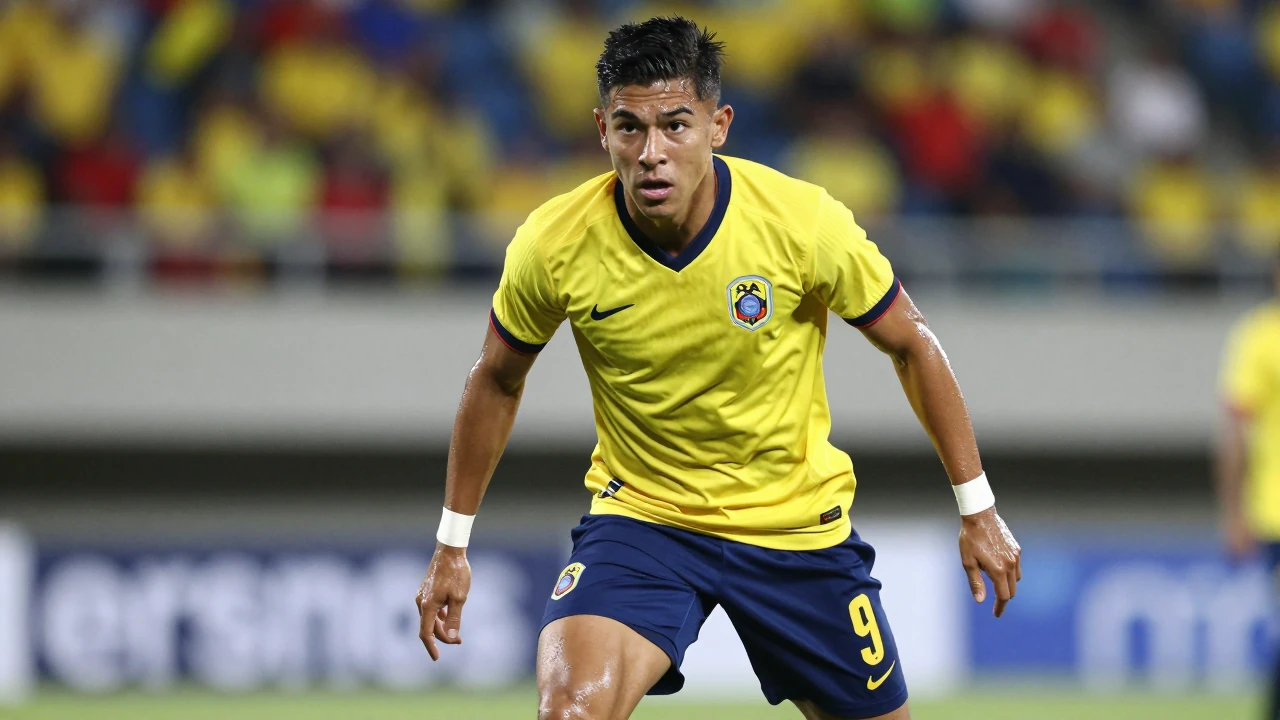
The Ecuadorian national team, known as La Tri, has been on a rollercoaster of results in recent matches. While some players have shone, the collective still struggles to find its best version. In this analysis, we will explore Ecuador's current tactical situation and suggest some tweaks that could be key for their performance in the 2026 World Cup.
Formations and Playing Style
In recent games, Ecuador has predominantly use a 4-3-3 formation, which allows for a good mix of defense and attack. However, this setup has shown vulnerabilities, particularly in defensive transitions. La Tri often finds itself exposed to rapid counterattacks due to a lack of coverage in midfield. To address this, one option would be to adopt a 4-2-3-1 formation, which would provide greater defensive stability and allow for better control of the game in the center of the pitch.
Strengthening the Midfield
By including two defensive midfielders, Ecuador could bolster its presence in the center, allowing full-backs to join the attack without leaving the defense exposed. Players like Moisés Caicedo and Jhegson Méndez could play key roles in this system, regaining possession and distributing play. Additionally, incorporating an attacking midfielder in front of them, such as Gonzalo Plata, could provide more creative options and dynamism in the final third of the field.
Flexibility in Attack
The Ecuadorian attack could also benefit from a more flexible approach. While Enner Valencia has been a key figure, the lack of rotation in forwards has limited options. La Tri should consider the possibility of using a more mobile striker or even adapting to a dual-striker system, allowing wingers to integrate more into play and create space for incoming midfielders.
High Press and Ball Recovery
One characteristic that has defined Ecuador's play is its ability to press the opponent. However, in recent matches, that intensity has waned. Implementing a high-press strategy from the start of the game could not only recover the ball in dangerous areas but also wear down opponents. La Tri needs to work on its coordination so that all players press together, avoiding gaps between lines.
Conclusion
The proposed tactical adjustments are vital for Ecuador to maximize its potential in the 2026 World Cup. The correct implementation of a more balanced formation, strengthening the midfield, and a flexible and aggressive approach in attack could transform La Tri into a formidable contender. The key will be the coaching staff's ability to adapt and find the right chemistry among players, ensuring that each match is an opportunity to shine on the world stage.