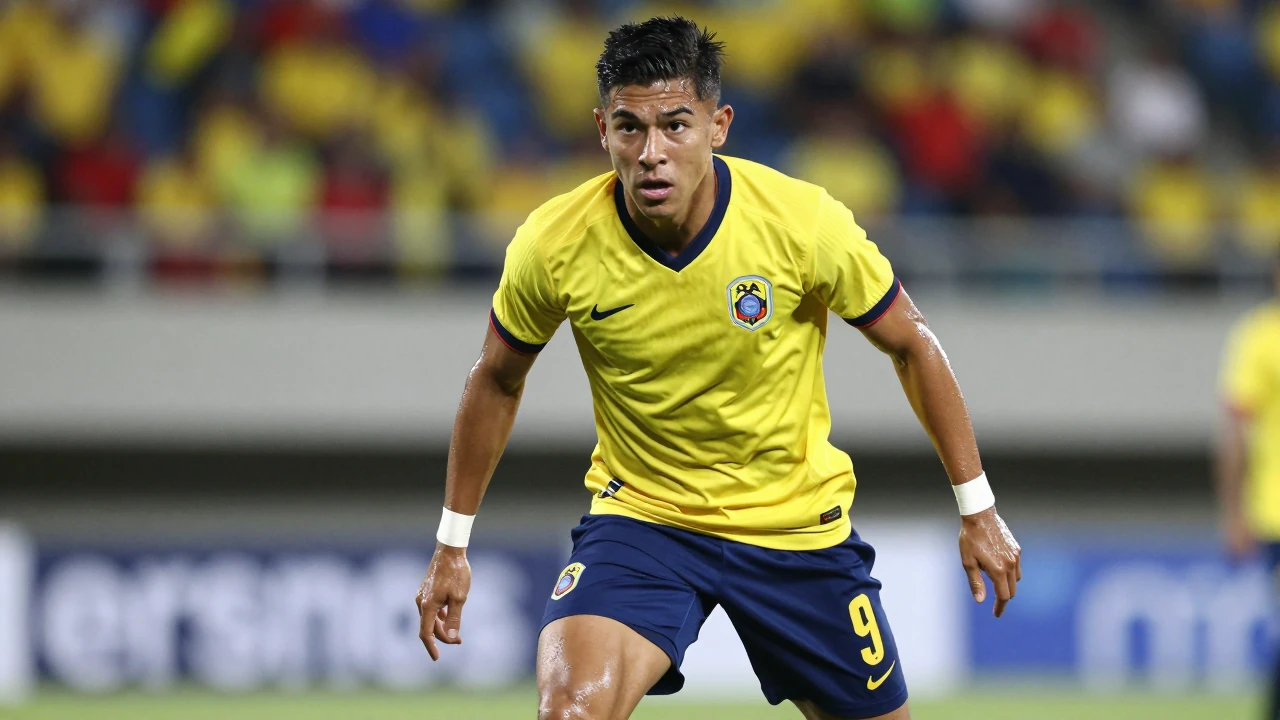
The Ecuadorian national team, known as La Tri, has been on an upward trajectory in its performance in the qualifiers for the 2026 World Cup. However, to maximize their potential in the competition, it is essential to analyze not only what is working but also to identify areas that require tactical adjustments. In this sense, a review of their formation and playing style could be key to facing high-caliber opponents.
Formation and Positioning
In recent matches, Ecuador has employed a 4-3-3 formation that has allowed midfielders to control the game and forwards to pressure the opposing defense. However, in defensive situations, this system has shown vulnerabilities, particularly on the flanks where full-backs are sometimes left exposed. A more balanced approach could be a 4-2-3-1, which offers greater defensive solidity and allows midfielders to recover the ball more effectively.
Improvement in Transition
One of the highlights of Ecuador's game has been their speed in transitioning from defense to attack. However, at times, this transition becomes predictable. Encouraging a more varied game, including changes of pace and diagonal movements, could destabilize rival defenses. Instructing wingers to cut inside and link up with midfielders can generate more space and goal-scoring opportunities.
Focus on Wing Play
Leveraging the talent of players like Gonzalo Plata and Pervis Estupiñán on the wings is key. However, it has been noted that the lack of immediate support from midfield sometimes limits their capacity to break through. A recommendation would be for one of the central midfielders to push forward to provide passing options, which could facilitate play creation and increase pressure on the opposing defense.
Defensive Strategy
For defending, Ecuador has shown flashes of cohesion, but also moments of disorganization. Implementing a more compact defensive line, with clear communication between center-backs and full-backs, could reduce opportunities for the rival team. Additionally, working on recovery after losing possession is essential; the team must be prepared to press immediately after losing the ball to regain control before the opponent can organize their attack.
Conclusion
The path to the 2026 World Cup is a golden opportunity for Ecuador to adjust its tactical approach and adapt to the challenges that arise. With small modifications in their formation and playing style, La Tri can not only compete but also surprise their rivals on the world stage. The key will be tactical flexibility and the players' ability to execute the coaching staff's ideas on the field.