 Ecuador Hub
Ecuador, known as La Tri, has proven to be a solid contender on the international stage, especially in the qualifiers for the 2026 World Cup. However, as the competition approaches, it is essential to conduct a tactical analysis that identifies areas for improvement to enhance the team's performance in the tournament. Below are some tactical adjustments that could be key for Ecuador to shine on the world stage.
1. Quick Transitions
One of the standout features of Ecuador's game is their ability to execute quick transitions from defense to attack. However, in recent matches, a lack of synchronization in these transitions has been evident. To optimize this aspect, Beccacece could consider implementing a more dynamic approach to the positioning of midfielders, especially those responsible for ball recovery. Encouraging a more vertical and direct style of play can help leverage the speed of players like Gonzalo Plata and Michael Estrada, who can wear down opposing defenses.
2. Width in the Attack
La Tri has heavily relied on their ability to create opportunities from the flanks. However, during recent encounters, the lack of width in these positions has been noticeable. Incorporating more attacking-minded full-backs, such as Pervis Estupiñán and Angelo Preciado, in advanced roles can allow the team to maintain pressure on rival defenses, thus creating more space for forwards. This would not only increase offensive output but also generate distractions for opposing defenses, allowing midfielders to arrive in the box more frequently.
3. Defensive Stability
While Ecuador has shown defensive solidity, maintaining concentration in set-piece situations is crucial. Set pieces have been a recurring weak point, and Beccacece must work on defensive organization during these moments. Implementing a more rigorous marking system, as well as practicing specific scenarios for corners and free kicks, could be vital in preventing them from becoming goal-scoring opportunities for opponents.
4. Tactical Flexibility
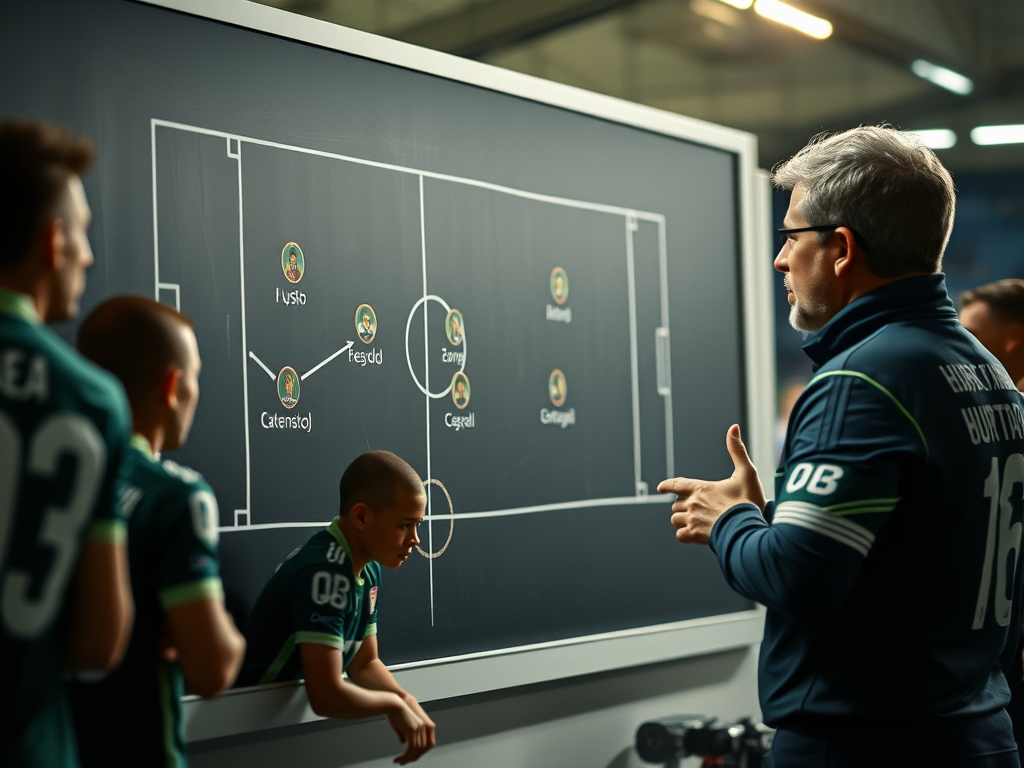
Finally, tactical flexibility is essential for competing at the international level. La Tri should consider the possibility of alternating between a 4-3-3 and a 4-2-3-1 formation depending on the opponent. This adaptation will allow the team to better manage ball possession, as well as provide greater defensive support when necessary. Including a more defensive midfielder, such as Moisés Caicedo, can provide that additional stability in the midfield, allowing more creative players to focus on attacking.
Conclusion
As La Tri prepares for the 2026 World Cup, these tactical adjustments could be the key to maximizing their performance. With a focus on quick transitions, greater width in attack, defensive stability, and tactical flexibility, Ecuador has the potential to stand out in the tournament and make their supporters proud of their performance on the world stage.