Ecuadorian referees Vera and Intriago dissect 2026 World Cup refereeing controversies
Ecuador’s national team bowed out of the 2026 FIFA World Cup amid refereeing controversies that left more questions than answers. Former referees Carlos Vera and Alfredo Intriago - the only Ecuadorians ever in a World Cup final (Brazil 2014) - dissected the officials’ performance and took direct aim at FIFA. Ecuador’s last result was a 2-0 loss to Mexico on July 1, 2026, a match that closed a cycle with more doubts than certainties.
Vera and Intriago agreed that refereeing at the 2026 World Cup was “normal,” though with caveats. Vera praised technology’s role but warned that VAR is overshadowing the referee’s on-field authority. “The same technology means there’s no longer a refereeing performance that stands out strictly on the person,” the former official said. He served as fourth official at Brazil 2014.
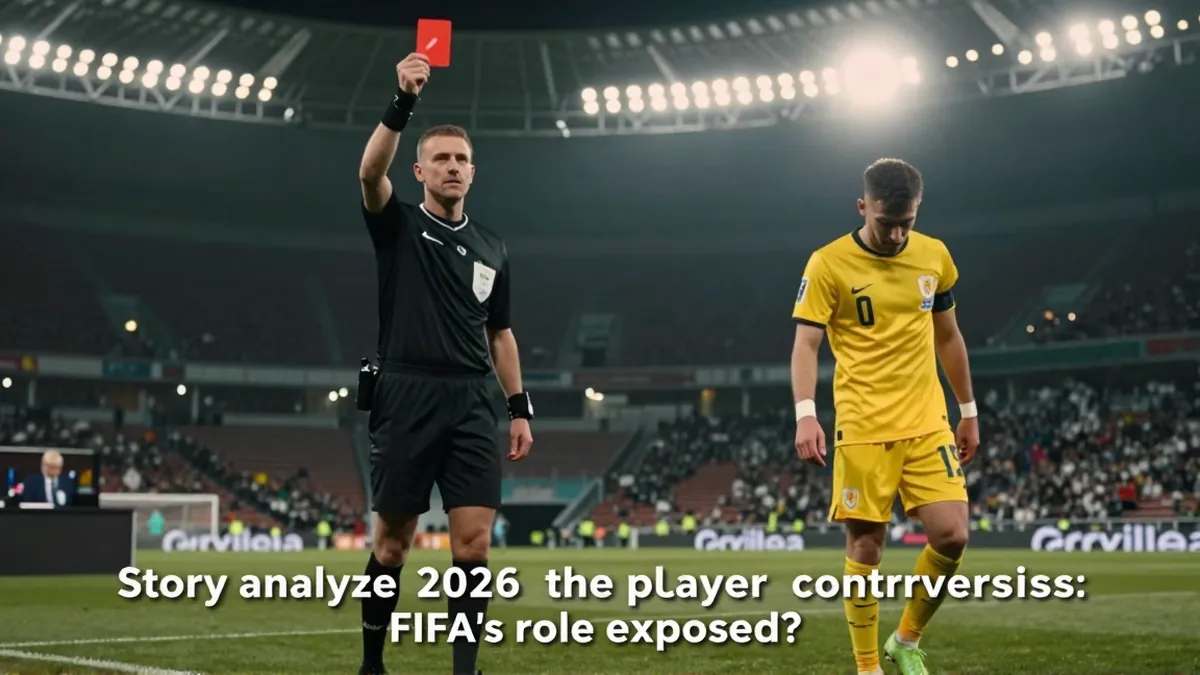
The flashpoint was the overturned red card shown to U.S. Striker Folarin Balogun during the match against Bosnia. Intriago alleged political interference: Donald Trump leaned on Gianni Infantino to lift the sporting sanction, according to his account. “This kind of move leaves the credibility of institutions in limbo,” Vera said.
Why this matters for La Tri
Ecuador’s national team, eliminated in the group stage, saw refereeing decisions shape its tournament path. While the former referees defended the officials’ work, they criticized the lack of consistency in sanctions. Intriago noted that similar situations aren’t always reversed, breeding distrust among players and coaching staff.
Technology, though helpful, was also flagged as a factor restricting referees’ autonomy. Vera explained that in his era, referees had to decide based on training and experience, not external tools. “The professional was duty-bound to perform on the pitch with preparation and accumulated experience,” he said.
The Ecuadorian referees agreed that the VAR and political interference debate won’t end with the 2026 World Cup. Vera urged FIFA to review its protocols to prevent disciplinary decisions from being overturned by outside pressure.
Intriago, for his part, warned that institutional credibility is on the line. “What leaders do at the table is their business,” he said, making clear that referees operate under constant pressure. The tournament closed with more shadows than light in refereeing - a topic that will stay on football’s agenda.


